Feijoa Nutrition Facts: Unveiling the Powerhouse of a Subtropical Gem
Often overlooked in the mainstream fruit market, the feijoa (
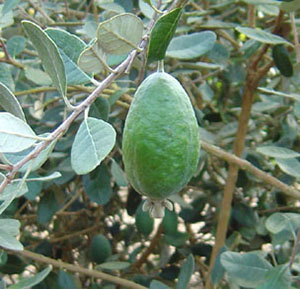
Acca sellowiana), also known by its charming aliases like pineapple guava, Brazilian guava, or guavasteen, is a subtropical marvel that deserves a spotlight. Growing up to three inches in length, this unassuming fruit boasts a remarkably complex flavor profile. Imagine a delightful fusion of pineapple, strawberry, guava, quince, and even a hint of mint – it's a taste experience unlike any other. Native to the mountainous regions of extreme southernmost Brazil, Argentina, and Uruguay, the feijoa is now cultivated globally, from New Zealand and Australia to Asia, Africa, and the United States, delighting palates and nourishing bodies worldwide.
Beyond its distinctive taste, the feijoa is a true nutritional powerhouse, packed with an array of vitamins, minerals, and unique bioactive compounds. For those seeking to enrich their diet with a fruit that offers both exotic flavor and significant health advantages, understanding the comprehensive Feijoa nutrition facts is key.
Feijoa Nutrition Facts: A Detailed Breakdown of Key Nutrients
The fruit of the feijoa tree is a testament to nature's ability to combine great taste with exceptional nutritional value. Comprising roughly 83% water, feijoa is a hydrating choice, with 15% carbohydrates and negligible amounts of protein and fat. A 100-gram serving of raw feijoa provides approximately 61 calories, making it a low-calorie yet nutrient-dense addition to any diet.
Let's delve deeper into the specific vitamins and minerals that make feijoa a nutritional standout:
- Vitamin C (Ascorbic Acid): With about 32.9 mg per 100g, feijoa is an excellent source of Vitamin C. This potent antioxidant is crucial for immune function, skin health, and collagen production.
- Dietary Fiber: A 100g serving offers around 3.5g of dietary fiber. This contributes significantly to digestive health, promoting regularity and satiety, and playing a vital role in blood sugar management.
- Potassium: Providing 172 mg per 100g, potassium is essential for maintaining proper fluid balance, nerve signals, and muscle contractions, including those of the heart.
- Folate (Vitamin B9): At 23 mcg per 100g, folate is important for cell growth and metabolism, making it especially crucial during pregnancy.
- Magnesium: With 9 mg per 100g, magnesium supports muscle and nerve function, blood sugar control, and blood pressure regulation.
- Calcium: Offering 17 mg per 100g, calcium is fundamental for strong bones and teeth, as well as nerve transmission and muscle function.
- Phosphorus: Essential for bone health, energy production, and cell repair.
- Other Trace Minerals: Feijoa also contains small but significant amounts of iron (0.14 mg/100g), zinc (0.06 mg/100g), and vitamin K (3.5 mcg/100g), contributing to overall bodily functions and well-being.
- Vitamin E: At 0.16 mg per 100g, this fat-soluble antioxidant helps protect cells from oxidative damage.
What truly sets feijoa apart is its rich concentration of bioflavonoids and polyphenols. These powerful plant compounds act as antioxidants, combating oxidative stress and inflammation in the body. Key polyphenols found in feijoa include catechin, leucoanthocyanins, flavonols, proanthocyanidins, and naphthoquinones. Furthermore, compounds like quercetin, eriocitrin, syringic acid, ellagic acid, pyrocatechol, gallic acid, rutin, and eriodictyol contribute to its impressive array of health-promoting properties.
For an even deeper dive into the specific components that make this fruit so beneficial, explore
Pineapple Guava's Secrets: High Fiber, Vitamin C, and More.
Unpacking the Extensive Health Benefits of Feijoa
The impressive nutritional profile of feijoa translates into a wide spectrum of health benefits, supported by both traditional knowledge and scientific inquiry.
Potent Antibacterial and Antiseptic Activity
Studies have illuminated feijoa's significant antimicrobial potential. It demonstrates potent activity against various gram-positive and gram-negative bacteria, as well as certain fungi. In vitro research has further confirmed its antibacterial properties. This inherent capability helps in preventing bacterial formation, particularly in the oral cavity, and its antiseptic qualities can aid in the healing of mouth ulcers and minor cuts. Incorporating feijoa into your diet may therefore contribute to better oral hygiene and a more robust defense against common microbial threats.
Promising Anticancer Properties
Emerging research suggests that feijoa harbors compounds with significant anticancer activities. Extracts from feijoa have been shown to influence cytokine secretion in the intestine, a factor crucial in immune responses and inflammation, which can impact cancer development. Importantly, studies have observed that feijoa extracts exhibit anticancer effects on both haematological (blood) and solid cancer cells, without displaying toxic effects on normal myeloid progenitors. This tumor-selective activity is a highly promising aspect, suggesting that feijoa could offer targeted support in fighting cancer without harming healthy cells.
Boosting Cardiovascular Health
Feijoa is a heart-healthy fruit, largely due to its high dietary fiber content. A diet rich in fiber is a well-established strategy for reducing blood cholesterol levels, particularly the "bad" low-density lipoprotein (LDL) cholesterol. By lowering LDL cholesterol, feijoa can play a role in mitigating the risk of cardiovascular diseases such as heart attack and stroke. Additionally, its potassium content supports healthy blood pressure levels by counteracting the effects of sodium, further enhancing its cardiovascular protective benefits.
Significant Anti-inflammatory Effects
The plethora of bioactive compounds found in feijoa contributes to its notable anti-inflammatory properties. The juice extracted from feijoa contains well-known anti-inflammatory agents like quercetin, eriocitrin, syringic acid, ellagic acid, pyrocatechol, gallic acid, catechin, rutin, and eriodictyol. Research indicates that these compounds collectively exert meaningful anti-inflammatory activity, particularly by inhibiting neutrophil basal activity – neutrophils being a type of white blood cell involved in the body's inflammatory response. This anti-inflammatory action can contribute to alleviating symptoms of various inflammatory conditions throughout the body.
Fortifying the Immune System
As highlighted in its Feijoa nutrition facts, the fruit is remarkably high in Vitamin C, providing a substantial amount per 100g. Vitamin C is indispensable for the proper functioning of a healthy immune system. As a powerful antioxidant, it actively reacts with compounds like histamines and peroxides, neutralizing harmful free radicals and reducing oxidative stress that can impair immune cells. Regular consumption of Vitamin C-rich foods like feijoa can help bolster the body's defenses against infections and illnesses, keeping you healthier and more resilient.
For more detailed information on how feijoa can support your immunity and overall health, read
Unlock Feijoa's Power: Immunity, Heart Health & Anti-Cancer Effects.
How to Enjoy Feijoa and Maximize its Nutritional Value
Integrating feijoa into your diet is a delicious way to capitalize on its unique flavor and health benefits.
Selection and Storage Tips
When selecting feijoas, look for fruits that are slightly soft to the touch, similar to a ripe avocado. They should feel heavy for their size and emit a wonderfully fragrant, sweet aroma. Avoid fruits with blemishes or soft spots. Store ripe feijoas in the refrigerator for up to a week, or at room temperature if you plan to eat them within a day or two. Unripe feijoas will ripen on the counter.
Culinary Uses and Enjoyment
The most common way to eat a feijoa is to simply cut it in half and scoop out the creamy, aromatic pulp with a spoon. While the skin is edible, its slightly tart and gritty texture isn't for everyone.
Here are some creative ways to incorporate feijoa into your meals:
- Fresh: Add the pulp to fruit salads, yogurt, oatmeal, or blend it into smoothies for an exotic twist.
- Baked Goods: Feijoa pulp works beautifully in muffins, cakes, crumbles, and tarts, adding a distinct flavor and moisture.
- Jams and Jellies: Its natural pectin content makes it ideal for preserves.
- Savory Dishes: The tart-sweet profile of feijoa pairs surprisingly well with savory meats like pork, chicken, or duck, often used in chutneys or sauces.
- Beverages: Juice feijoas for a refreshing drink, or muddle them into cocktails and mocktails.
Experimenting with feijoa's unique flavor profile can open up a world of culinary possibilities, making it easier and more enjoyable to reap its nutritional rewards.
Feijoa: A Unique Addition to Your Healthy Diet
The feijoa is much more than just another subtropical fruit; it's a vibrant, nutrient-dense gem waiting to be discovered by a wider audience. With its distinctive flavor profile and an impressive list of Feijoa nutrition facts – boasting high levels of Vitamin C, dietary fiber, potassium, and a unique blend of powerful antioxidants and polyphenols – it offers a holistic approach to wellness. From bolstering your immune system and supporting cardiovascular health to exhibiting promising antibacterial and anticancer properties, the benefits of feijoa are profound. Embracing this versatile fruit can add not only an exciting new dimension to your palate but also significant support for your journey towards optimal health. Don't hesitate to seek out this remarkable fruit and make it a regular feature in your healthy eating repertoire.